 Tas Marine delivers expert marine piling in hard rock across Australia, reducing risk and rework with proven methods and strict quality control.
Hard rock formations such as basalt, sandstone, dolerite and volcanics are common in Australian coastal and port environments, where infrastructure is often founded on variable rock beneath marine sediments. These conditions make marine piling significantly more complex than piling in soft ground, particularly when working over water under strict structural and environmental requirements. Without the right methodology and strong quality controls, even minor construction inconsistencies can lead to misalignment, reduced socket performance and costly rework.
Why Hard Rock Conditions Increase Construction Risk
Hard rock introduces technical challenges that directly impact programme, cost and structural performance. Unlike uniform soil conditions, rock profiles can vary dramatically in strength, fracturing and weathering within short distances. This unpredictability increases the likelihood of construction delays and redesign if not properly managed.
Common risk factors include:
- Variable rock levels leading to unexpected refusal or insufficient socket depth
- Tool wear and reduced drilling efficiency in high-strength formations
- Deviation or alignment issues during deep drilling
- Contamination or inadequate cleaning of rock sockets prior to concrete placement
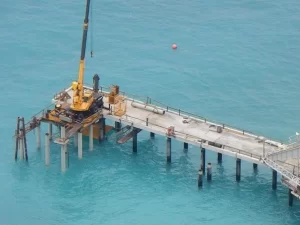
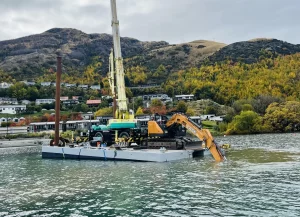
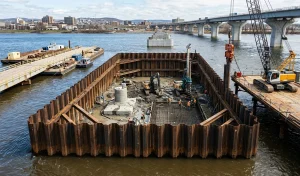
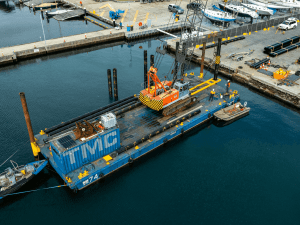
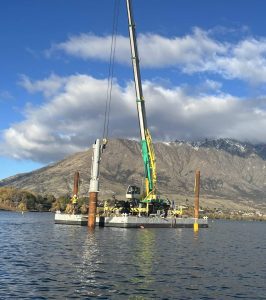
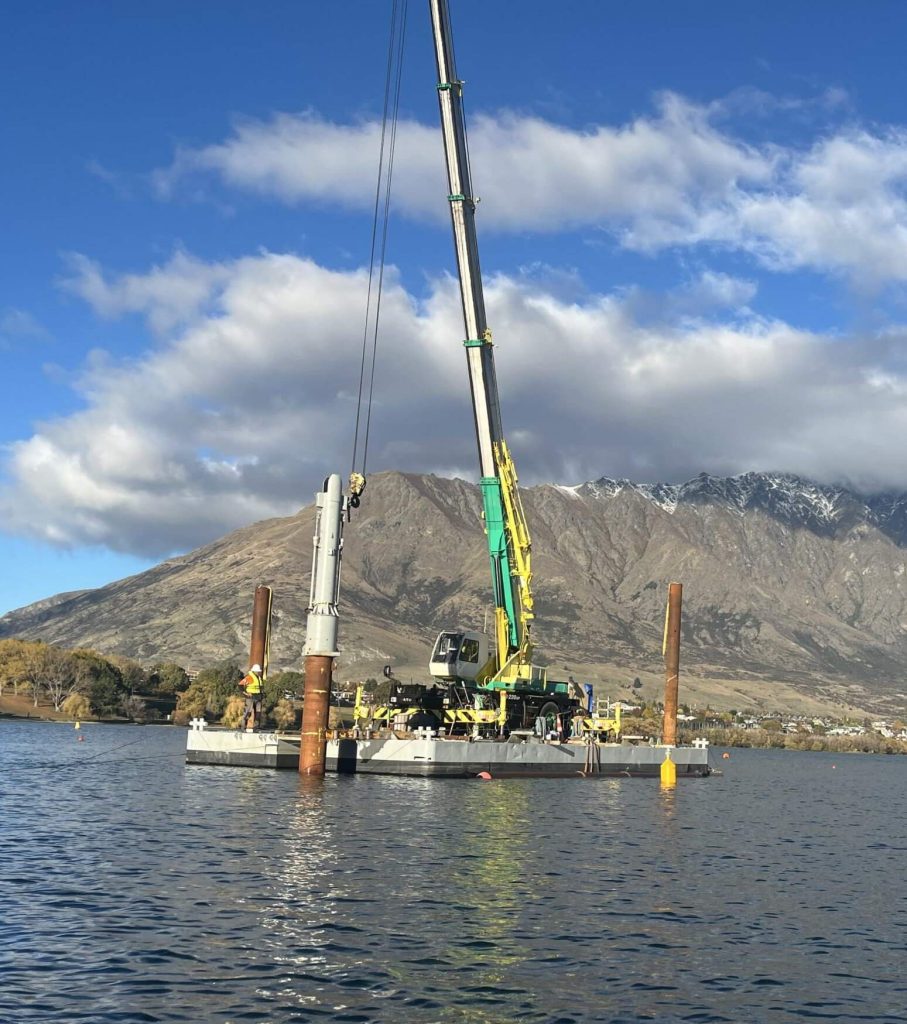
- Limited access and stability constraints when working from barges or temporary marine platforms
Marine environments add complexity through tidal movement, water depth and environmental controls that can restrict working windows and increase project risk. In hard rock marine projects, most rework results from poor methodology rather than design, making careful planning and execution essential for durable, compliant foundations.
Proven Marine Piling Methods for Hard Rock
Choosing the right installation method is critical in Australian conditions where rock profiles and structural demands vary. Rock-socketed bored piles allow controlled drilling into competent rock to achieve the required socket depth and load capacity. This approach is especially important where hard rock profiles vary across a site, as research published by the Australian Geomechanics Society on rock-socketed pile design in Australian conditions highlights the role of socket performance in formations such as sandstone, siltstone, and basalt.
In some applications, hybrid systems may be appropriate. These can include:
- Predrilling to assist driven steel piles in hard strata
- Combination systems using sheet piles with rock-socketed king piles
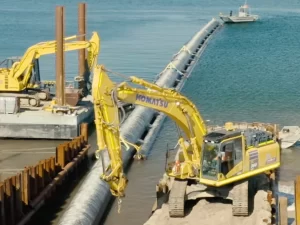
- Tailored piling solutions for seawalls, jetties, and port upgrades
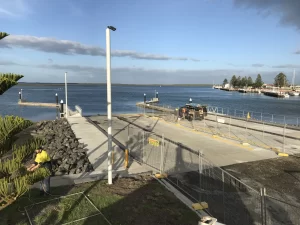
Similar piling expertise has been applied on technically demanding marine structures such as the Geelong Yacht Club Breakwater Piles, where durable pile performance is critical in exposed coastal conditions.
Quality Assurance Practices That Prevent Rework
In hard rock environments, strong quality assurance is essential to successful delivery. Detailed geotechnical investigation and on-site verification confirm the required socket depth and rock class before construction proceeds. Proper cleaning and inspection of the rock socket, including the use of remote camera systems, help ensure effective load transfer and reduce risk to personnel.
Compliance with Australian Standards and authority specifications helps minimise defects and non-compliance. Clear documentation, inspection records and environmental controls such as turbidity and vibration management reduce the risk of delays and stop-work orders. When technical precision is supported by disciplined quality processes, projects are delivered efficiently with long-term performance in mind.
Build with Confidence Through Tas Marine’s Marine Piling Expertise
Delivering reliable marine piling solutions in hard rock requires experience, technical capability and disciplined execution. Tas Marine understands the complexities of Australian coastal geology and the operational demands of working in live marine environments. Our team applies proven methods, rigorous quality controls and practical expertise to reduce risk and eliminate unnecessary rework.
Contact us to plan your marine piling works with confidence and precision.
Related Blog Articles:
Innovative Marine Construction Techniques for Waterfront Infrastructure Projects
Civil Construction Services for Complex Marine Infrastructure Projects