Tas Marine delivers expert wharf and jetty rehabilitation services across Australia, extending asset life with proven structural remediation strategies.
Australia’s harsh coastal conditions accelerate wharf and jetty deterioration, increasing pressure on asset owners to maintain safety and performance through rehabilitation that extends asset life and avoids costly full replacement. For assets affected by seabed movement, silt build-up, or changing waterway conditions, related works such as dredging and sediment management can also play an important role in keeping marine infrastructure functional and safe. By focusing on long-term performance through detailed condition assessments and targeted remediation strategies, rehabilitation helps restore structural integrity, enhance durability, and ensure continued operations.
Environmental Drivers of Material Decay in Australian Marine Settings
Marine structures in Australia face aggressive conditions where salt, moisture, oxygen, and biological activity accelerate deterioration, making early detection through routine inspections essential to prevent minor defects from escalating into serious structural and operational risks.
Key deterioration mechanisms include:
- Concrete degradation due to chloride ingress, leading to reinforcement corrosion and cracking
- Steel corrosion resulting in section loss, reduced load capacity, and connection failure
- Timber decay caused by marine borers significantly weakens piles and structural members
- Wave and tidal action contribute to mechanical wear and fatigue over time
Corrosion remains a major issue for ageing jetties and port structures across Australia, with research from Curtin University highlighting ongoing work into improving inspection, maintenance, and repair methods for marine structures affected by corrosion.
Wharf and Jetty Rehabilitation: A Lifecycle Approach to Asset Management
Effective rehabilitation is a lifecycle-driven approach that extends asset life for decades while providing a cost-effective alternative to full reconstruction.
- Condition Assessment and Inspection – The process begins with detailed inspections, including visual and underwater assessments, to evaluate structural integrity and remaining service life.
- Risk-Based Planning – Identified defects are prioritised based on safety, operational importance, and deterioration rate to ensure efficient resource allocation and risk management.
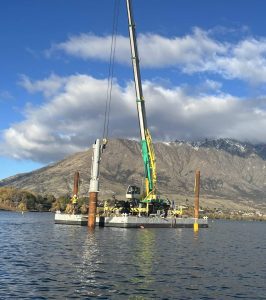
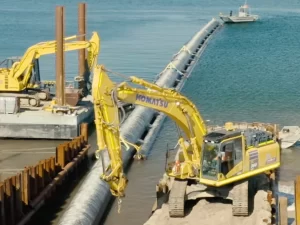
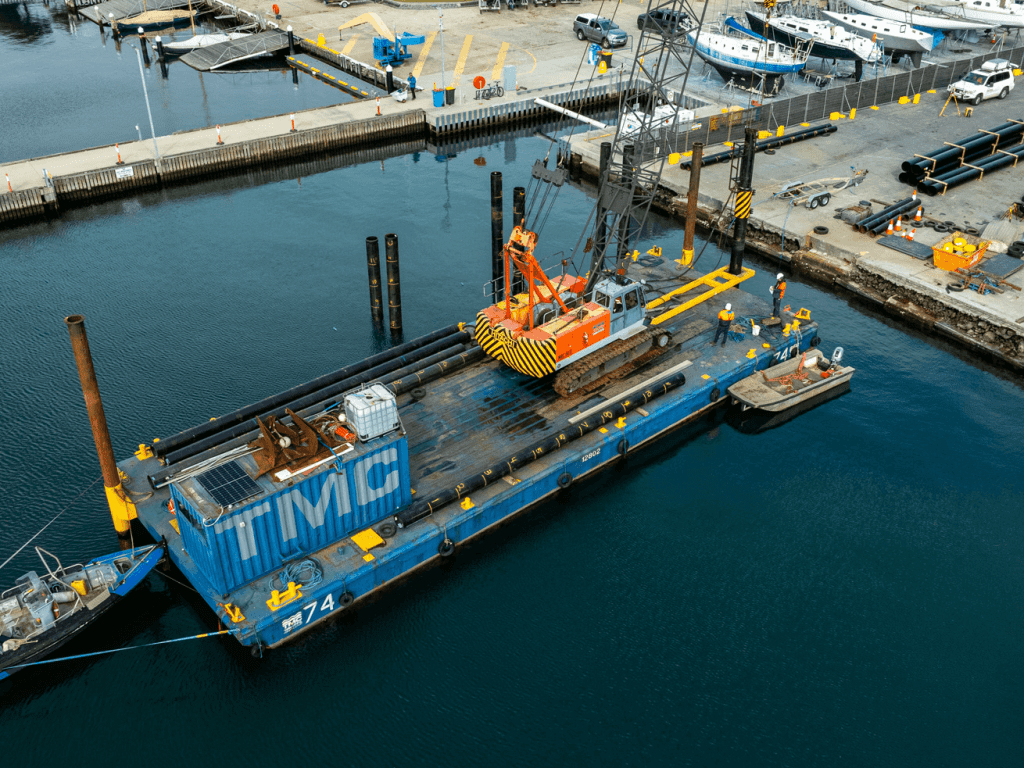
- Targeted Intervention Strategies – Interventions such as repair, strengthening, or selective replacement are applied to restore functionality and maximise asset lifespan, as demonstrated in projects like Dover Jetty Reconstruction, where practical marine infrastructure works support long-term asset performance.
Key Structural Remediation Strategies Used in Australia
Australia’s marine industry uses tailored remediation techniques to restore structural capacity and protect assets, with solutions selected based on exposure, condition, and operational needs to ensure cost-effective performance.
Common approaches include:
- Concrete repairs and protection: Damaged concrete is removed and reinstated, with cathodic protection and coatings applied to control corrosion and enhance durability in marine zones.
- Steel strengthening and corrosion control: Steel elements are restored through surface preparation, recoating, welding repairs, and protective systems such as pile jackets or wraps.
- Timber remediation: Deteriorated timber members are selectively replaced and treated to resist marine borer attack and extend service life.
- Advanced strengthening solutions: Modern techniques such as fibre-reinforced polymer wrapping and anode systems are used to strengthen structures and mitigate ongoing corrosion.
Extend Asset Life with Tas Marine’s Wharf and Jetty Rehabilitation Expertise
At Tas Marine, we know that wharf and jetty rehabilitation go beyond simple repairs to deliver reliable, long-term asset protection. Our team combines technical expertise with hands-on marine experience to develop solutions suited to Australia’s demanding coastal conditions. From early-stage deterioration to major upgrades, we provide end-to-end support from inspection through to project delivery.
Contact us today to discuss how we can help extend the life of your marine infrastructure with proven, cost-effective solutions.
Related Blog Articles:
Civil and Marine Construction for Waterfront Infrastructure Projects
Civil Construction Services for Complex Marine Infrastructure Projects