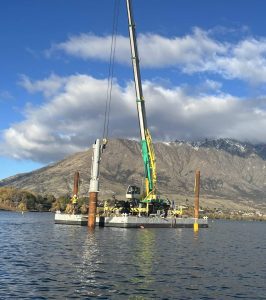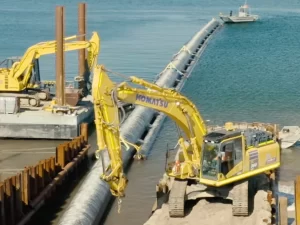
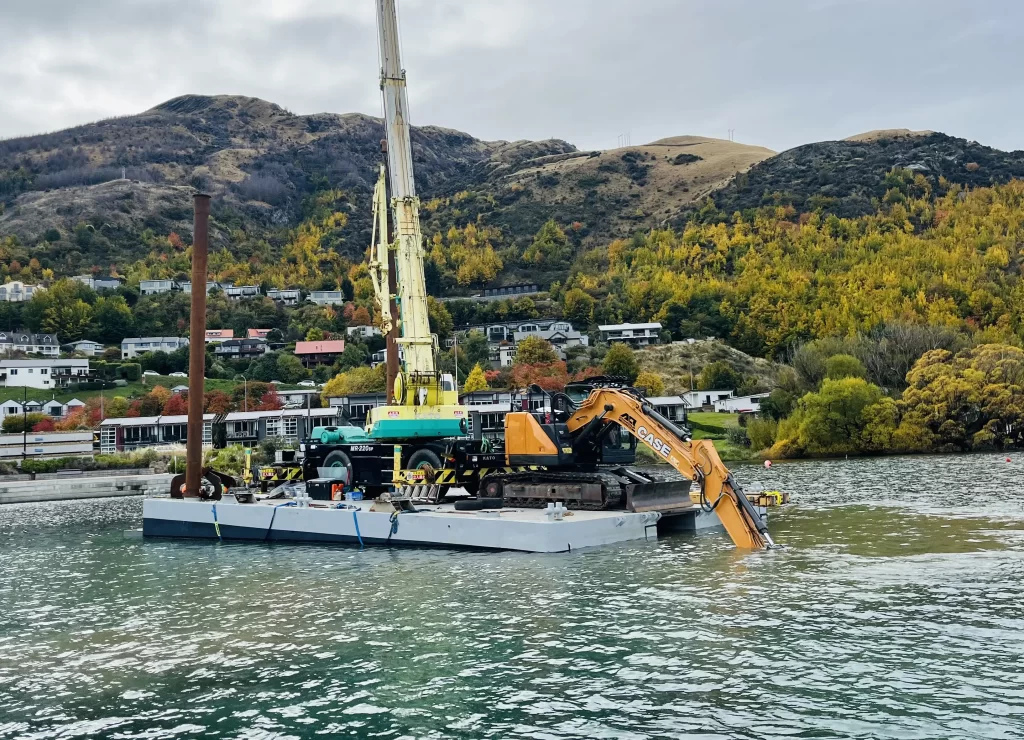
Tas Marine provides expert marine dredging across Australia, improving port accessibility and vessel safety through professional sediment management.
Australia’s coastlines are incredibly dynamic environments where the natural movement of tides and currents inevitably leads to siltation. This constant shifting of sand and mud can quickly compromise the depth of waterways, making regular marine dredging an essential operational requirement. By proactively managing sediment levels, facility operators ensure that their ports and marinas remain accessible and safe for all maritime traffic.
Why is Sediment Management Crucial for Safe Australian Navigation?
Water safety across Australia relies on a precise understanding of the conditions beneath a vessel’s hull. Sediment buildup, or shoaling, creates significant hazards that can lead to groundings or steering difficulties in shallow channels. As silt accumulates unevenly, it reduces the available draft and makes navigation unpredictable for even the most experienced skippers.
Effective sediment management keeps charted depths accurate, providing a reliable safety margin for both recreational and commercial vessels. By maintaining clear and deep fairways, maritime authorities ensure that navigation remains predictable regardless of tidal changes. This stability is essential for preventing the costly damage associated with hull strikes or emergency recoveries in restricted waters.
Securing Long-Term Infrastructure Health through Marine Dredging
Commercial success for coastal facilities hinges on accessibility, which proactive marine dredging guarantees by allowing deep-keeled vessels to enter berths regardless of tidal constraints. This consistent reliability enhances the experience for boat owners while safeguarding infrastructure like piles and breakwalls from the structural pressure caused by sediment build-up. By preventing stagnant “dead zones,” the systematic removal of silt fosters a cleaner environment that supports both port efficiency and the longevity of underwater assets.
- Optimised Draft Capacity: Ensures vessels of all sizes can navigate without the risk of bottoming out or resting on the seabed during low tide.
- Streamlined Traffic Flow: Reduces congestion by allowing for consistent entry and exit schedules, which is vital for busy ports handling commercial cargo.
- Structural Protection: Prevents the scouring and hydraulic changes that often accompany heavy siltation near fixed maritime infrastructure.
- Economic Stability: Enhances the facility’s reputation as a reliable, deep-water destination, encouraging more frequent use by larger vessels.
Meeting Australian Environmental Standards for Sustainable Dredging
Dredging in Australia is a highly regulated activity that balances industrial requirements with the protection of unique marine ecosystems. Modern sediment management involves strict adherence to the National Assessment Guidelines for Dredging to ensure all materials are handled responsibly. This rigorous framework guarantees that every project meets the high environmental standards expected across the country.
Operators utilise specialised equipment to minimise turbidity and schedule works during specific biological windows to protect local wildlife. By integrating these sustainability practices into maintenance plans, port and marina managers can effectively maintain their facilities. This approach demonstrates a clear commitment to environmental stewardship while ensuring long-term operational success.
Expert Maintenance Solutions with Tas Marine
Safeguarding the longevity of maritime infrastructure requires specialised technical expertise paired with a thorough understanding of local coastal conditions. Tas Marine treats consistent marine dredging as a vital investment in the functionality and safety of your aquatic assets. We focus on delivering precise results that restore essential depths while maintaining a deep respect for the delicate balance of the Australian marine environment.
Contact us to find out how our team can support your next project and ensure your facility remains a safe and accessible harbour for years to come.
Related Blog Articles:
Dredging and Sediment Management: Keeping Waterways Safe and Functional
Civil Construction Services for Complex Marine Infrastructure Projects