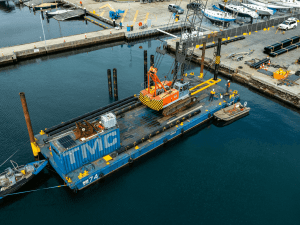
Tas Marine delivers marine structure demolition for ageing jetties, piles and waterfront assets across Australia using safe, planned site removal methods.
Controlled marine structure demolition is appropriate when an ageing jetty, pile system or waterfront structure cannot be economically rehabilitated, presents unacceptable risk or conflicts with replacement works. A responsible approach starts with condition information, approvals and a staged removal sequence suited to the waterway.
When Removal Becomes the Practical Option
Age alone does not determine if a structure should be demolished. Asset owners need evidence about member condition, remaining capacity, operational requirements and the cost of repair compared with replacement. Corrosion, concrete spalling, timber decay, failed connections, scour and unstable piles can indicate that continued use or piecemeal repair is no longer practical.
Removal may also be required where the existing footprint obstructs new piles, limits vessel access or prevents construction plant from reaching the replacement alignment. An above-water inspection, underwater assessment and engineering review can help determine if wharf and jetty rehabilitation, partial dismantling or full demolition best suits the asset and project scope.
Planning marine structure demolition Around Site Risks
A marine structure demolition plan must explain how each element will be removed without causing uncontrolled movement, dropped debris or conflict with nearby operations. The sequence should account for structural stability, tides, weather, currents, access, lifting capacity and vessel movements.
Safe Work Australia’s demolition work guidance explains that demolition risks must be identified and managed, while noting that legal effect depends on the relevant jurisdiction. Project controls may include:
- Site and structural review: Confirm member condition, pile positions, access constraints and exclusion zones.
- Service isolation: Identify and isolate power, lighting, water, fuel or communications connected to the structure.
- Staged dismantling: Remove decking, handrails, fenders, beams and bracing in a planned order that maintains stability.
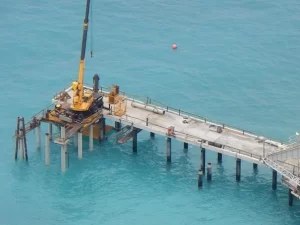
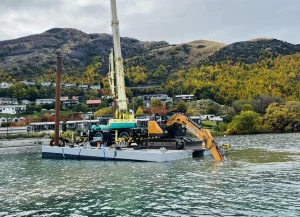
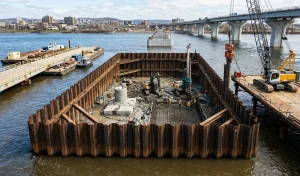
- Marine access planning: Match barges, cranes, workboats and lifting arrangements to water depth, load and operating conditions.
- Environmental controls: Plan debris containment, spill response and any approval-specific controls for sediment or underwater noise.
What Happens to Piles and Recovered Materials?
Pile treatment depends on the material, embedment, seabed conditions, approvals and replacement design. A pile may be extracted, removed in sections or cut at an approved level. The selected method must avoid leaving an unrecorded obstruction or creating unnecessary conflict with the new works.
Recovered steel, concrete and timber should be separated according to their condition, treatment history and approved waste pathway. Seabed or site-clearance checks can then confirm that loose debris and hazardous remnants have been addressed.
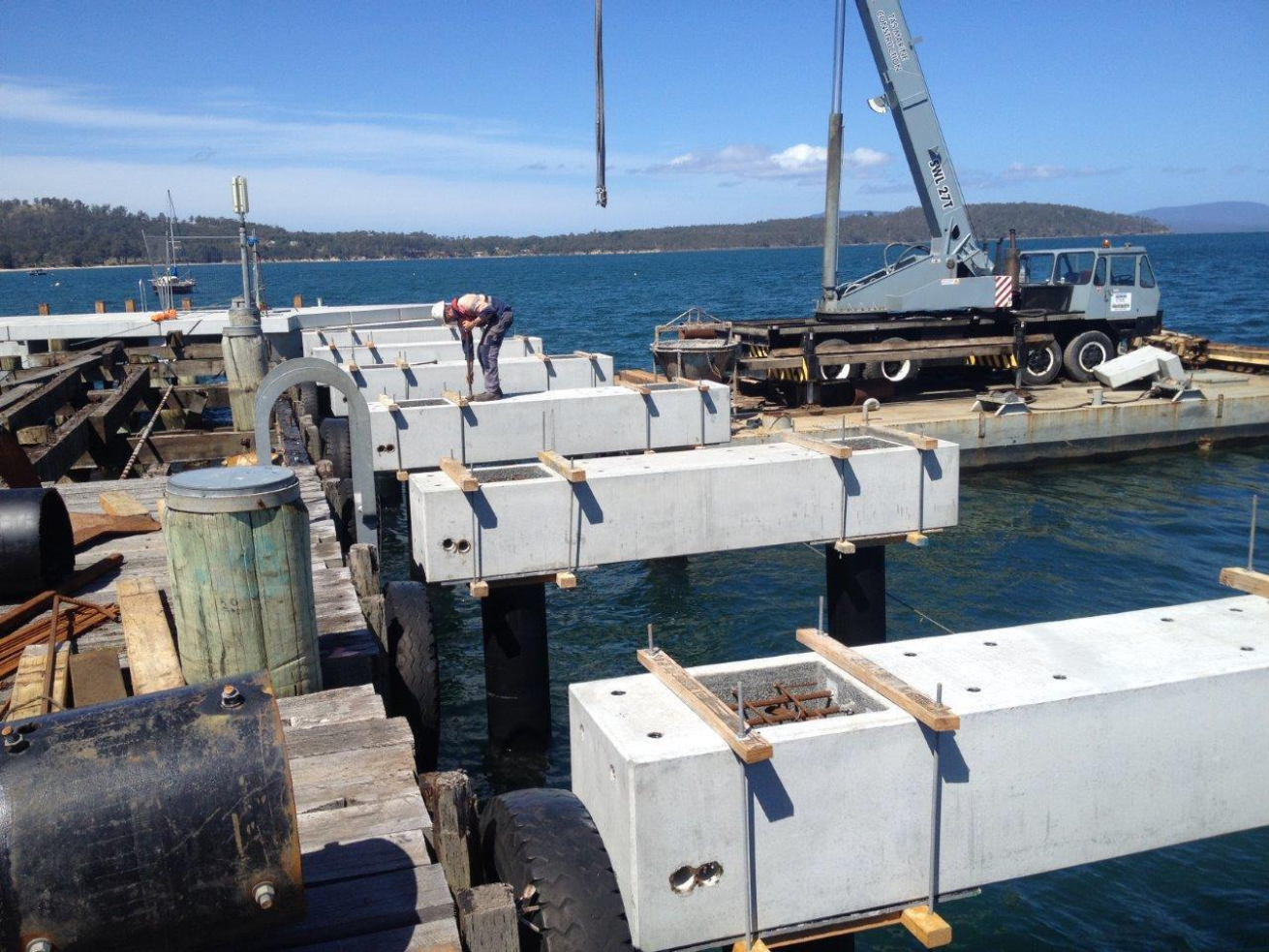
Tas Marine has demonstrated practical material recovery during the Dover Jetty Reconstruction. We carefully dismantled sound timber sections and transported them to Hobart so the client could collect and reuse them on other projects. This outcome depended on the timber remaining suitable for recovery rather than treating every demolished component as reusable.
Coordinate Demolition with the Replacement Project
Marine demolition should align with the new structure, construction method and environmental approvals, including retained piles, removal levels, access and material-handling areas. Early coordination helps prevent clashes, repeat mobilisation and unnecessary seabed disturbance. Tas Marine delivers marine structure demolition across Australia and New Zealand, with experience in jetty demolition, replacement piling and new marine construction.
Send us the existing drawings, condition information, site constraints and proposed replacement scope. Our team can review the marine demolition requirements and discuss a practical project approach before quotation.