Prepare a waterfront bridge maintenance tender with defect data, access constraints, operational windows and environmental controls defined.
A waterfront bridge maintenance tender should define the asset condition, required outcomes and delivery constraints before contractors price the work. We deliver bridge construction and specialist maintenance, including structural rehabilitation, piling and concrete components across Australia and New Zealand.
What Should A Waterfront Bridge Maintenance Tender Include?
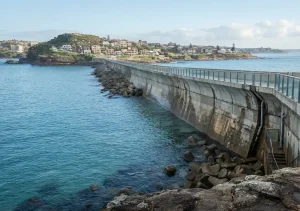
Provide current drawings, inspection reports, defect maps, photographs, previous repair records and available structural assessments. Separate confirmed defects from suspected causes. A repair quantity based only on visible spalling or corrosion may change once access, testing or demolition exposes concealed conditions.
Review our bridge construction and maintenance capability covering pedestrian and road bridges, structural rehabilitation, concrete components, piling and disruption planning.
- Asset information: Identify spans, materials, bearings, joints, piles, deck elements, utilities and load or access restrictions.
- Defect schedule: Map cracking, corrosion, section loss, movement, coating failure, drainage problems and damaged concrete.
- Required outcome: State whether the tender seeks investigation, temporary stabilisation, targeted repair, component replacement or broader rehabilitation.
How Do Access And Work Windows Affect Pricing?
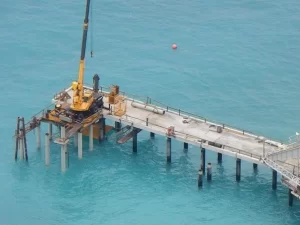
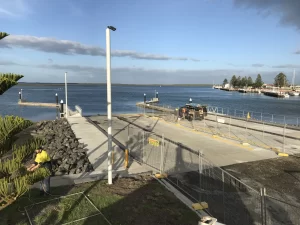
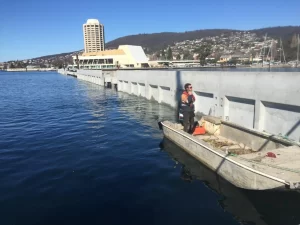
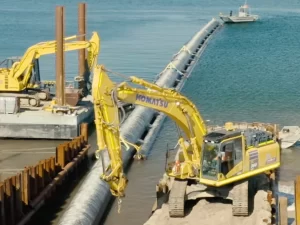
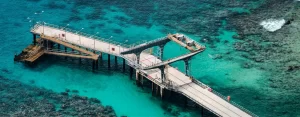
Water level, tide, current, clearance, traffic management and adjacent operations determine how crews and plant can reach the workface. Tender documents should identify permissible bridge closures, navigation restrictions, noise limits, possession windows and any requirement to keep pedestrian, road or marine traffic operating.
Our Rotherwood Bridge Re-Deck project demonstrates a completed scope involving removal of a timber deck and installation of reinforced-concrete deck elements.
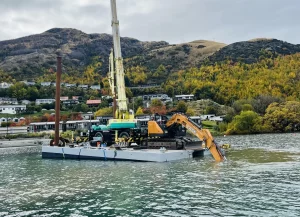
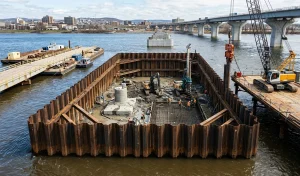
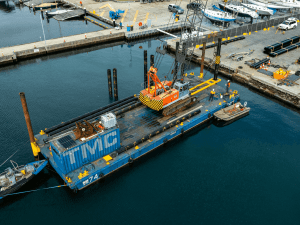
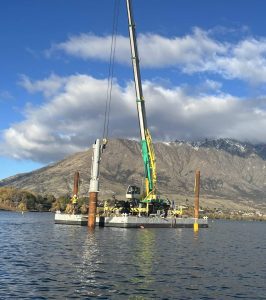
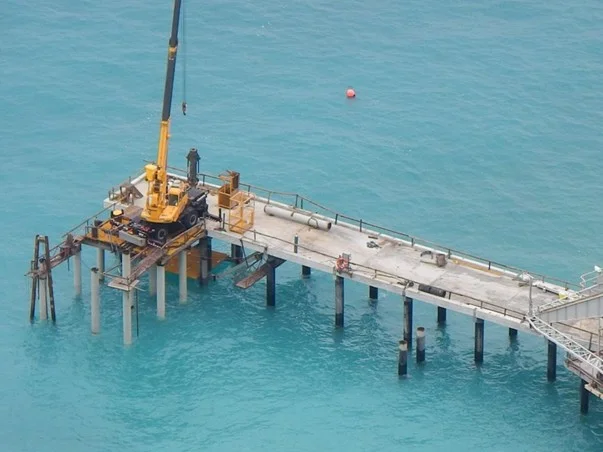
State whether barges, cranes, scaffolds, under-bridge units, temporary works or land access may be required. Do not prescribe a method without confirming site feasibility; instead, make constraints and performance requirements clear enough for a contractor to propose a safe methodology.
Which Environmental And Technical Interfaces Matter?
Waterfront work can involve sediment, debris containment, noise, protected habitats and weather exposure. Identify known permits, approval responsibilities, monitoring requirements and contamination information. Geotechnical, structural, environmental and maritime advisers may each hold information needed for a complete tender.
The tender should also explain how latent conditions, quantity changes and hold points will be managed. Nominate inspection records, test results, survey data and completion documents expected from the contractor. Clear acceptance criteria help distinguish the priced scope from optional work that may be authorised only after further investigation.
Read our article on waterfront bridge construction challenges for related access and delivery context.
For an independent inspection framework, consult the Queensland TMR Structures Inspection Manual. The asset owner and appointed designers remain responsible for defining inspection, engineering and acceptance requirements for the project.
For independent reference, use the Queensland TMR Structures Inspection Manual. We apply that source only within the limits of our own service or supply role.
Discuss A Constructible Bridge Maintenance Scope
A tender built around vague instructions to “repair as required” transfers uncertainty into pricing and variations. Provide measurable defects, interfaces and operating constraints.
Send the available project information through our Tas Marine contact page. Our team can discuss constructability, access, piling, rehabilitation and marine or civil delivery needs within our verified capability before the tender scope is finalised.